THE ART OF UMAMI
The science of the senses
Have you ever wondered why salted caramel tastes better than caramel?
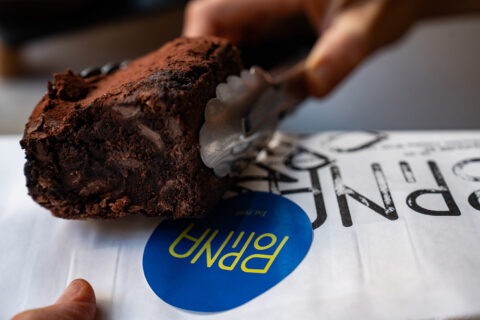
Or why a squeeze of lemon can completely transform a dish. You might not know the word, but you’ll definitely know the feeling. It’s that rich, savoury moreish depth that makes you want another bite.Sweet and salty has become one of the biggest flavour trends of the last decade. Salted caramel has gone from being something unusual to one of the world’s best-selling dessert flavours, and today you’ll find sea salt sprinkled over everything from chocolate and brownies to cookies and ice cream. Why are we so drawn to these combinations?
Why does a pinch of salt make chocolate taste more like chocolate? Why does butter make such a difference to pastry? Could you really taste the difference? The answer is a resounding – yes.
.
Why one pinch of salt changes everything
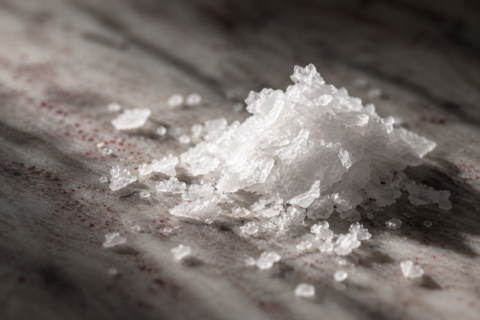
Seasoning shouldn’t be the first thing you notice. It should be the reason everything else tastes better. Salt is probably the most misunderstood ingredient in the kitchen. Used well, it shouldn’t be the first thing you taste. Instead, it quietly lifts sweetness, softens bitterness and brings other flavours into focus. Great seasoning isn’t about adding more- it’s about helping every ingredient become the best version of itself.
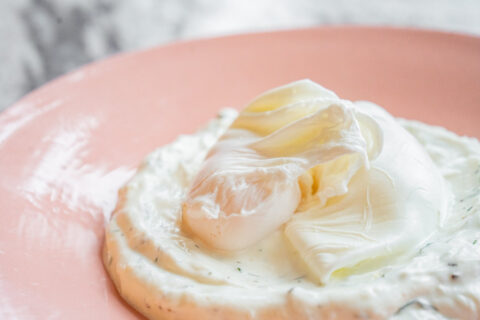
Why do chefs care so much about eggs? One of the simplest tests of a cook’s instinct is a poached egg. It sounds humble, but getting it just right takes judgement. Too little seasoning and it tastes flat. Too much and you’ve lost the delicate flavour of the egg itself. It’s a reminder that great cooking often comes down to the smallest decisions.
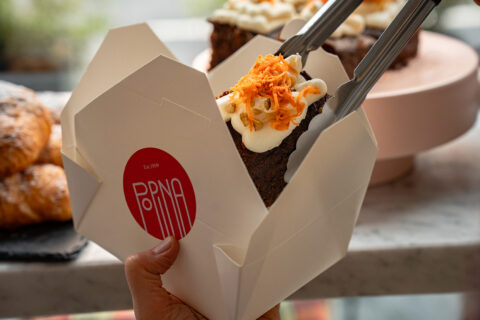
Why does salted caramel taste better than caramel?
A pinch of salt doesn’t simply make caramel salty. It softens the sweetness, reduces bitterness and makes those rich buttery flavours taste even more intense. The same principle appears all over cooking, where a small amount of seasoning can completely change how we experience a dish – and make sit the first to sell out on our dessert menu.
Some pairings have become classics for a reason- like tomatoes and parmesan. Ripe tomatoes are naturally rich in glutamates, the compounds responsible for that deep savoury flavour known as umami. Parmesan is packed with them too. Together, they create an even richer, fuller taste that’s greater than either ingredient alone.
Easy Does It
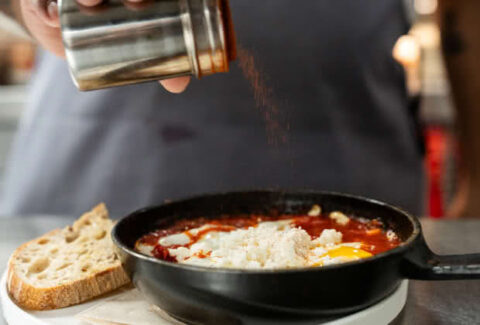
Knowing when to stop is just as important as knowing what to add. Everyone thinks great cooking means adding more. The opposite is true. The hardest dishes are often the simplest because there’s nowhere to hide.
Chefs are often asked to cook something as simple as an egg when interviewing because there’s nowhere to hide. Every detail matters and it all comes down to seasoning. Arguably the pièce de résistance in any dish.
The more you understand flavour, the more you notice it everywhere. Suddenly you’re tasting balance instead of individual ingredients. That’s where cooking becomes really exciting.
Join our Mastering the Basics class to learn more about the art of seaonsing and how to elevate your dishes at home with top tips.