PRODUCER PROFILE: 001 THE PASTA PIONEER
Pastificio Carleschi
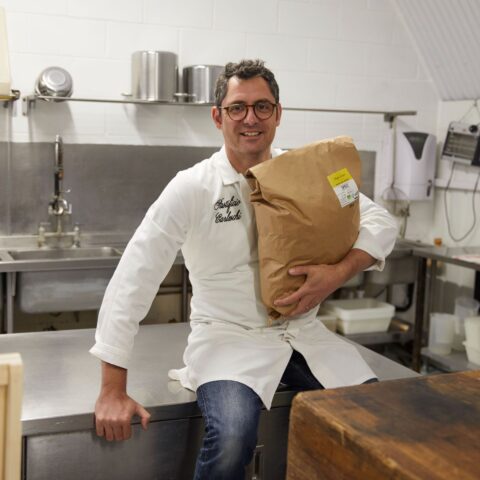
Meet Giovanni Carleschi
The artisan pasta maker behind Britain’s first artisan dry pasta made exclusively from British-grown organic grain.
Born in Mantova, northern Italy, Giovanni blends traditional Italian pasta-making with British agriculture. He founded Pastificio Carleschi in 2019 after seven years of research and development. Born from one simple question: why does artisan dry pasta almost always come from Italy when Britain grows grain of exceptional quality? Giovanni worked alongside British farmers, traditional stone millers and grain specialists to create an entirely new approach to artisan pasta. Just a year after launch, five of Pastificio Carleschi’s products were recognised with Great Taste Awards, cementing its reputation as one of Britain’s most exciting artisan producers.
Everything Starts with the Grain
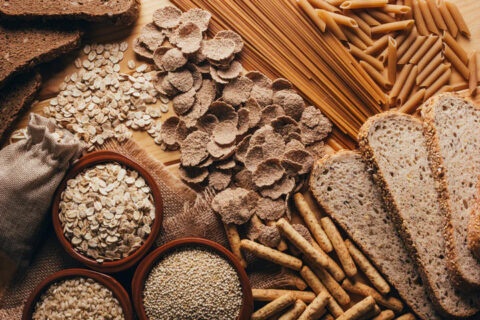
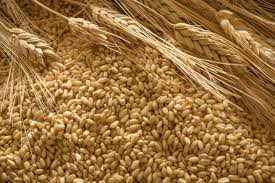
Behind every batch are the farmers growing each harvest, the traditional stone millers producing the flour and the artisan craftsmanship that transforms it into pasta. Working with organic British-grown heritage grains including spelt, emmer and einkorn, Giovanni believes the character of great pasta is shaped long before flour reaches the kitchen.
Emmer has been part of Carleschi’s range and is due to return. Every harvest is different, with each grain bringing its own flavour, texture and behaviour throughout the pasta-making process. It’s a philosophy that asks us to think differently about pasta. Carleschi’s spelt pasta, for example, is made from 100% spelt, not blended with durum wheat. “Just as grape variety influences the flavour of wine, the grain itself becomes one of the defining characteristics of the finished dish.” Giovanni, founder of Pastificio Carleschi
Craft & Technique
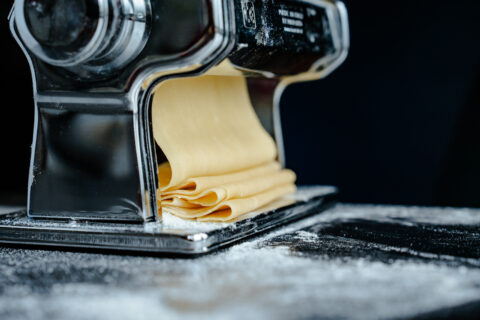
What makes Carleschi different isn’t just where the grain comes from, but how it’s transformed. Every pasta is made using traditional Italian artisan methods. The grain is stone milled before the dough is slowly mixed and shaped through traditional bronze dies, creating the rough surface that allows sauces to cling naturally to every piece. The pasta is then dried at low temperatures for at least 40 hours. Slow drying is designed to preserve the grain’s natural, nutty flavour and fragrance while producing the firm texture and bite artisan pasta is known for. Artisan production also allows every stage to be carefully monitored and adapted as conditions change.
Humidity, ventilation, resting time and temperature all influence the finished pasta, with each harvest behaving slightly differently depending on the grain. Rather than standardising the process, Giovanni adapts it to bring out the best in every batch. Alongside spelt, emmer and einkorn, Giovanni also experiments with other exceptional British-grown ingredients. Carleschi’s Spelt & Pulses range combines heritage grain with British-grown fava beans, wrinkled peas and lentils bringing protein, fibre and another layer of flavour to the finished pasta.
Sustainability at the Heart
Every decision at Pastificio Carleschi begins with the same question: how can exceptional pasta also support better farming? Giovanni works with British farmers and millers committed to organic agriculture, choosing grains that can play a role in diverse farming systems. How a crop affects soil health and biodiversity depends on the farming practices and local conditions, but creating demand for a wider range of grains gives growers more options. Creating demand for these grains is just as important as growing them.
“Sustainability isn’t treated as a separate initiative; it’s considered at every stage of production” says Giovanni.
Alongside their distinctive flavour and texture, wholegrain pasta provides fibre and retains components of the grain that are removed in refined flour, encouraging greater crop diversity while supporting British farmers committed to farming differently. Every grain can be traced back to the people growing it, supporting transparency throughout the supply chain. Carleschi has long been certified organic by the Soil Association, with its organic ingredients grown to certified standards. That thinking extends well beyond the field. The Hertfordshire pastificio uses plastic-free packaging that is suitable for both home and industrial composting.
Popina × Carleschi
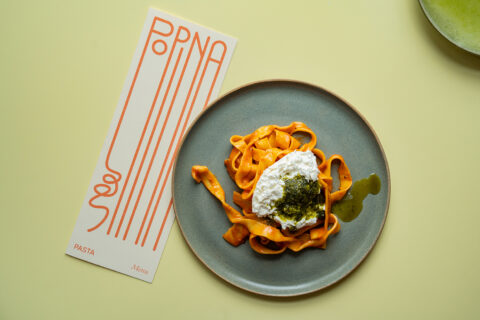
Working together felt like a natural fit from the very beginning. Both of us approach food the same way: start with the ingredient, understand where it came from and let it lead the dish. For Carleschi, everything begins with the grain. Organic, British-grown, stone-milled and chosen not just for how it tastes, but how each harvest behaves. For Popina, it begins in the market, where provenance has always been central to every dish we create, building menus around the very best seasonal produce and the people behind it. The new menu sits where those two approaches meet.
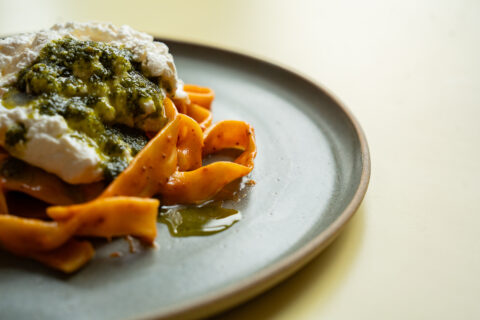
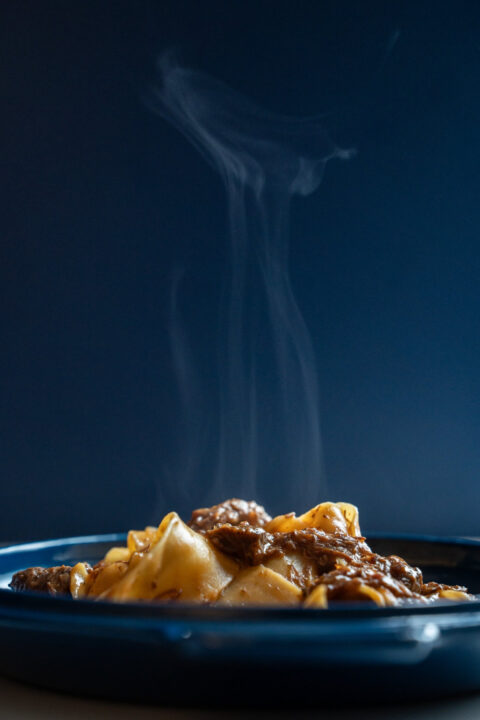
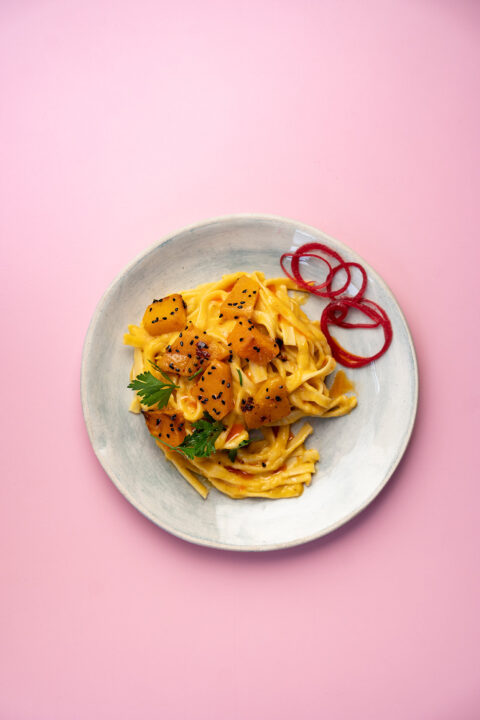
That shared curiosity led to exciting new possibilities. Pairing heritage grain pasta with complementary, and sometimes unexpected flavour combinations, always with simplicity at the heart. Every ingredient earns its place on the plate, allowing the subtle character of Giovanni’s pasta to remain the hero of every dish. Pasta is the ultimate culinary chameleon. It happily soaks up the brightness of summer before wrapping itself around the slower, richer flavours of winter. That freedom means the menu will continue to evolve with the seasons. From the simplicity of Tonnarelli alla Gricia with Salt Pig Cotswold Guanciale to the richness of Beef Cheek Ragù with Rigatoni, the menu celebrates the power of exceptional ingredients, thoughtfully paired to showcase just how exciting British artisan pasta can be.
In Conversation with Giovanni
1.Which dish on the new Popina menu are you most excited about?
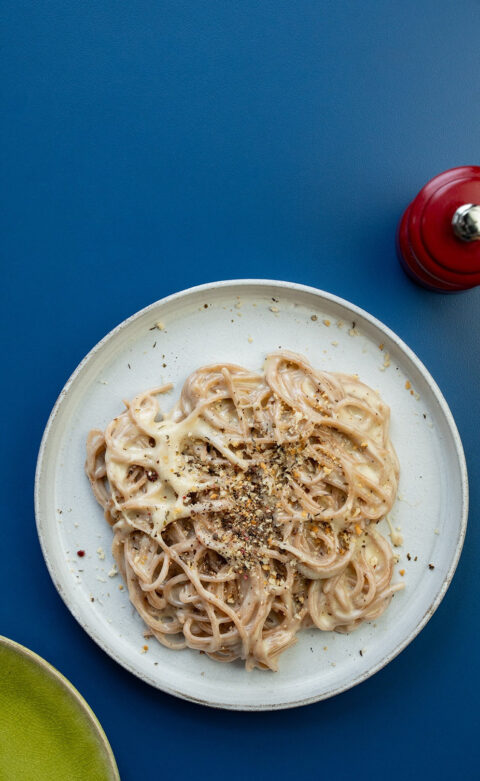
The Cacio e Pepe Britannica, because we’re using Krivet wheat. It’s an unusual cross between British Rivet wheat and Khorasan, a grain originating from Iran. Popina | Producer Spotlight 001 | Working copy We’ve been experimenting with it in small batches, so seeing it on the menu at Popina is especially exciting. I love that it’s paired it with another great British ingredient, Vintage Lincolnshire Poacher. Who would have thought a Roman classic could have such a British story?
2. What inspired you to make pasta from British-grown grain?
People talk about wine through grape varieties, the places they grow and the people behind them. I kept wondering why we rarely talk about grain that way. I’m Italian, and I love our pasta-making traditions, but I couldn’t see why those skills had to be tied to imported durum wheat. Britain grows fascinating grains. I wanted to find out what sort of pasta they could make. It took years of trials and a lot of learning from farmers and millers.
3. Why work with grains such as spelt and einkorn?
Because they aren’t interchangeable. Each has its own flavour and behaves differently when you mill it, mix it, extrude it and dry it. That makes the work harder, but much more interesting. I want people to taste the grain, not just think of pasta as a vehicle for sauce. And if that curiosity also encourages a more diverse range of crops to be grown here, so much the better.
4. How important are your relationships with farmers and millers?
They’re fundamental. The farmer understands the field and the harvest; the miller understands how to turn that grain into flour. I need that knowledge to make good pasta. It’s a collaboration, not just a supply chain.
5. What keeps you inspired?
Curiosity, without question. Every harvest teaches you something. I’ve worked with spelt for years and I’m still discovering how much there is to learn. And I love seeing chefs take the pasta somewhere I hadn’t imagined. 6. What would you like to see next? I’d love people to ask what grain their pasta is made from, just as they ask about wine, coffee or cheese. We’re also beginning to explore different spelt varieties and how their characteristics affect pasta-making. There’s a huge amount still to discover. That’s the exciting part.